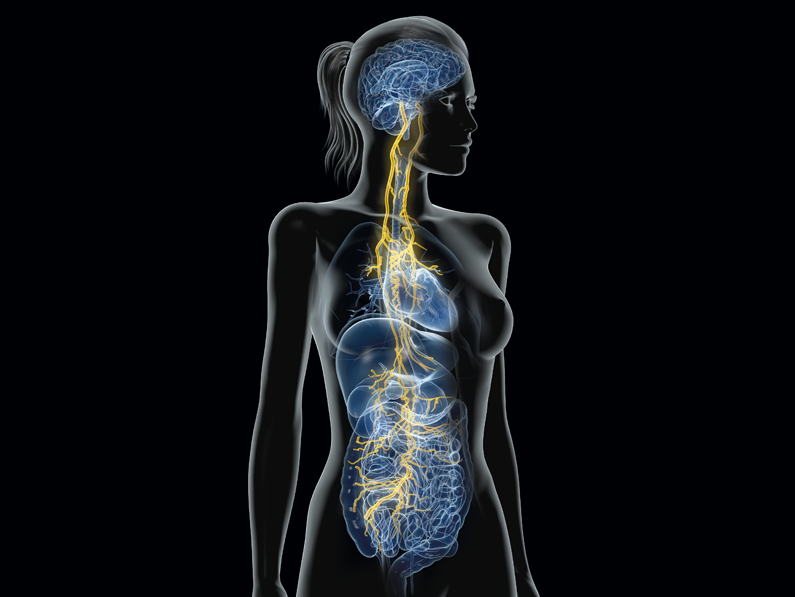
afbeelding van een vrouw meteen gedetailleerd nervus vagus systeem

Restore balance to your autonomic nervous system with transcutaneous vagus nerve electrical stimulation.

Results
  • What is the vagus nerve system?

    The vagus nerve, also known as the vagus nerve or the tenth cranial nerve, is a major nerve pathway that controls various organs in the chest and abdominal cavity from the brain. This allows the brain and organs to communicate with each other much faster than neuroscientists previously thought.

  • What is the function of the vagus nerve?

    The autonomic nervous system consists of the sympathetic and parasympathetic nervous systems, which together function like a balance. When the sympathetic nervous system is overactive, the body enters a "fight or flight" state, leading to increased blood pressure, heart rate, and muscle tension.

    The vagus nerve is an essential part of the parasympathetic nervous system and helps bring the body into a state of rest and recovery . In the case of an imbalance in the autonomic nervous system, transcutaneous vagus nerve stimulation can be used to this to treat conditions.

  • What is vagus nerve stimulation?

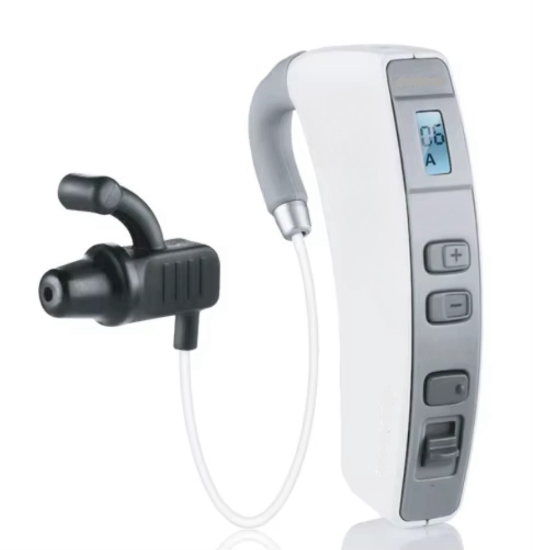
    The vagus nerve stimulator is connected to the left ear via an electrode. In this method, the nerve is artificially stimulated with electrical impulses without significant side effects (see study No. 4).

    Click here for a broader transcutaneous vagus nerve stimulation explanation.

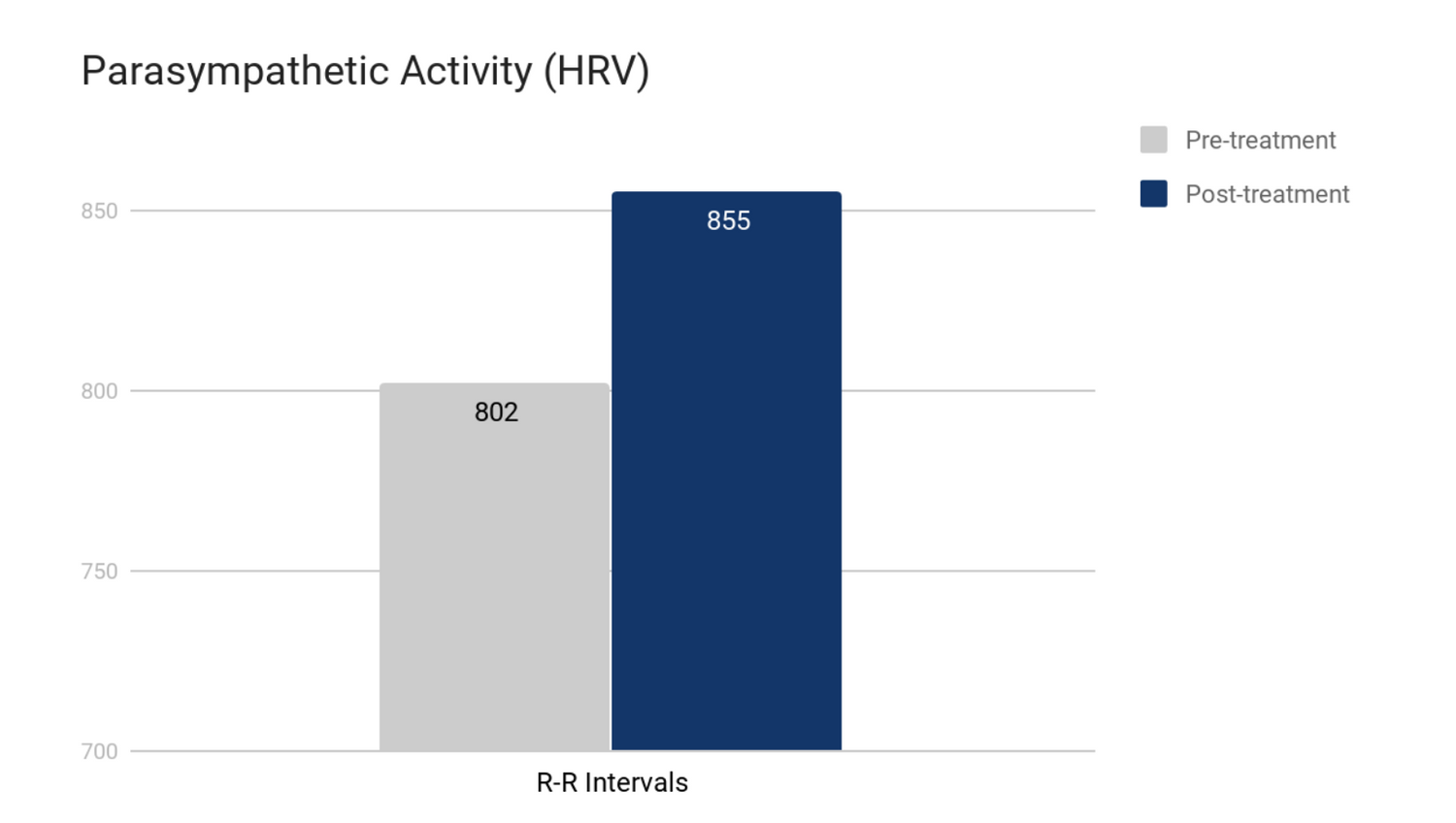
Increased parasympathetic nervous system activity (recovery) after transcutaneous vagus nerve stimulation via the ear and thus a decrease in sympathetic nervous system (stress) and the related limbic “distress network” (Source: WHO).
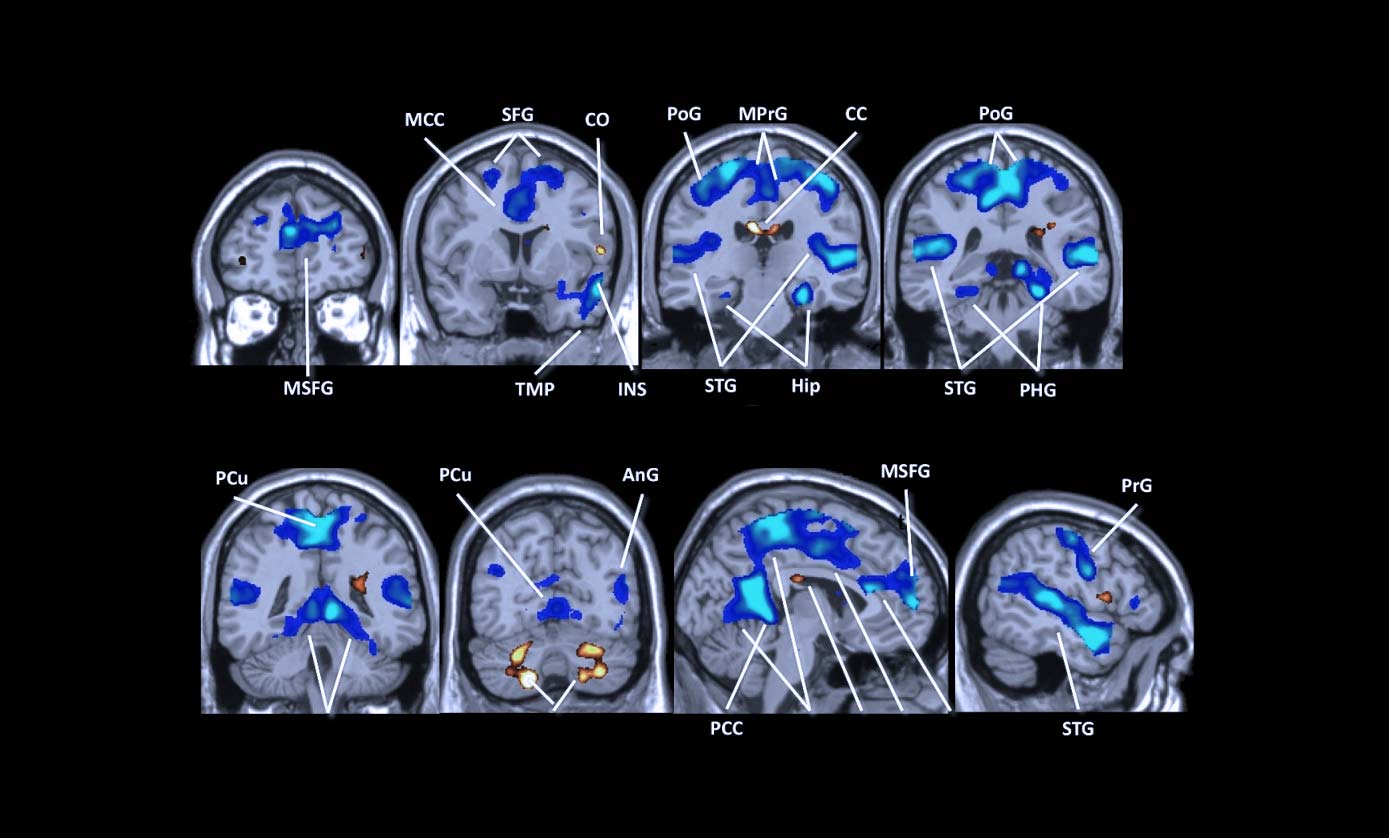
catscan imaging of the brain during activation of vagus nerve.

Transcutaneous vagus nerve stimulation through the ear activated red parasympathetic regions and deactivated blue sympathetic regions.

MCC, middle cingulate cortex; Amyg, amygdala; AnG, angular gyrus; CG, corpus callosum; Hip, hippocampus; STG, superior temporal gyrus; PCu, precuneus; PoG/PrG, postcentral/precentral gyrus; TMP, temporal pole. See study no. 26.